
Platinum Plated & Clad Anodes Manufacturer
Titan Metal Finishing is a proven platinum-plated anodes manufacturer delivering precision-engineered anodes built to survive aggressive chemistries and nonstop production
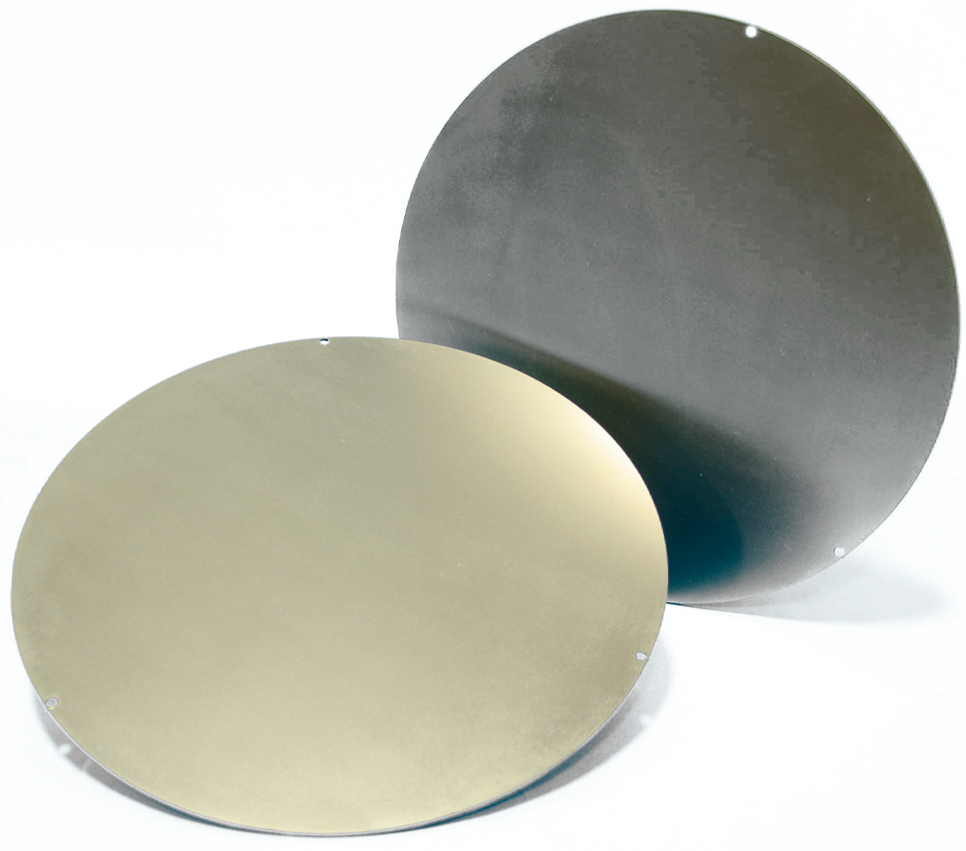
Platinum Plated Anodes Manufacturer
As an experienced platinum-plated anodes manufacturer, Titan Metal Finishing produces platinum-plated and platinum-clad anodes for demanding metal finishing and electrochemical processes.
Our proprietary PurePlat™ coating uses 99.95% pure platinum, applied through electrodeposition or cladding onto titanium, niobium, tantalum, and other reactive metal substrates.
By combining a thin, high-purity platinum layer with mechanically robust base materials, our anodes deliver the performance of solid platinum — without the cost, fragility, or material waste
For more information, click here to access the data sheet.
Platinum-Plated Anodes for Electrochemical & Metal Finishing Applications
Electroplating:
In electroplating, platinum-plated anodes are used to deposit thin layers of metals such as gold, silver, nickel, and chrome onto various substrates. Their uniform current distribution ensures even and high-quality coatings, which are essential for decorative and functional finishes.
Anodizing:
In anodizing processes – particularly for aluminum – platinum-clad anodes and platinized niobium anodes provide stable current distribution and exceptional corrosion resistance. These platinum-plated anodes support the formation of durable, uniform oxide layers that enhance both the long-term performance and visual finish of anodized components.
Electroforming:
For electroforming, where precision and detail are paramount, platinum-plated anodes provide the stable and consistent performance needed to produce intricate and high-quality metal parts.
BENEFITS OF PLATINUM PLATED ANODES
- Exceptional Conductivity:
Platinum is renowned for its excellent electrical conductivity, which ensures efficient and uniform current distribution. This is crucial for achieving consistent, high-quality coatings in electroplating and other electrochemical processes.
- Superior Corrosion Resistance:
Platinum’s resistance to corrosion and oxidation in a wide range of chemical environments makes platinum plated anodes ideal for use in harsh conditions. This durability extends the lifespan of the anodes, reducing the frequency of replacements and maintenance.
- High Stability and Longevity:
The robustness of platinum plating ensures that the anodes maintain their integrity and performance over long periods, even under high-stress conditions. This longevity translates to lower long-term operational costs and reliable production quality.
- Low Maintenance:
Due to their durability and resistance to corrosion, platinum-plated anodes require minimal maintenance compared to other types of anodes. - Enhanced Efficiency:
Platinum plated anodes operate at lower overpotentials, which means they require less energy to drive electrochemical reactions. This efficiency not only reduces power consumption but also improves the overall sustainability of metal finishing processes. - Minimal Contamination:
Platinum plated anodes do not dissolve into the electrolyte solution, maintaining its purity and preventing contamination. This is essential for processes that require high levels of cleanliness and precision. - Re-Plating:
Using a dimensionally substrate material allows the anodes to be recoated numerous times to reduce overall lifetime cost.
technical resources
You’ll find product information, reactive metals information, corrosion charts, calculators and much more in the TITAN Technical Resource Center.
Engineering & Design Considerations for Platinum-Plated Anodes
When working with a platinum-plated anodes manufacturer, proper design is critical to achieving reliable, long-term performance. Substrate selection, most commonly titanium or niobium, provides the mechanical strength and material compatibility needed for demanding electrochemical environments.
Platinum coating thickness balances durability, current efficiency, and overall cost, while anode shape and size are customized to match system geometry and process requirements.
Equally important, robust electrical connections ensure stable current distribution and eliminate common failure points in high-performance applications.
Platinum Plated Anodes Maintenance and Care
Routine maintenance from a qualified platinum-plated anodes manufacturer helps preserve performance and extend service life. Regular inspection and cleaning prevent coating wear and residue buildup that can reduce efficiency or disrupt current distribution. While platinum-plated and platinum-clad anodes provide long-term operation, monitoring performance and scheduling replacement or replating as needed ensures consistent, reliable results over time
Design Considerations for PLATINUM PLATED ANODES
- Substrate Material:
Titanium and niobium are commonly used substrates due to their high mechanical strength and compatibility with platinum plating.
- Platinum Coating Thickness:
The thickness of the platinum coating can be tailored to meet specific application requirements, balancing performance and cost.
- Anode Shape and Size:
Anodes can be manufactured in various shapes (e.g., mesh, rods, plates) and sizes to fit different equipment and process needs.
- Electrical Connections:
- Reliable electrical connections are crucial to ensure consistent current flow and prevent potential points of failure.
platinum plated anodes maintenance and care
- Regular Inspection:
Periodic inspections are necessary to detect any signs of wear or damage to the platinum coating, which could affect performance. - Cleaning:
Anodes should be cleaned periodically to remove any buildup of residues that could hinder their efficiency.
- Replacement:
Although platinum-plated anodes have a long lifespan, they will eventually need replacement. Monitoring their performance and replacing them as needed ensures continued optimal operation.