Titanium Anodizing Racks
Titanium anodizing racks built for metal finishing operators who need reliable part holding, clean bath performance, and reduced risk of marking.
Titanium Racks Built for the Anodizing Line
Anodizing baths run hot, acidic, and unforgiving on rack hardware. Standard steel or coated aluminum tooling pits, stains the bath, and leaves contact marks on finished parts after a handful of cycles, forcing shops to replace or refinish racks far more often than their production schedule allows.
Titanium anodizing racks solve this problem at the material level. Titanium doesn’t react with anodizing electrolytes, holds its shape under sustained current load, and keeps contact points clean through thousands of cycles.
Titan Metal Finishing designs and fabricates titanium anodizing racks through our RIGHTech Fabrications division, which has built racking, tooling, and auxiliary equipment for the metal finishing industry for more than 50 years. Shops running high-volume anodizing, electroplating, or chemical processing lines rely on our titanium anodizing racks to protect part quality and cut long-term tooling costs.
RIGHTECH BROCHURE
Find the latest product information, for high quality anodizing and plating equipment in our new RighTECH brochure. We are the industry leader in the design and fabrication of racks, baskets, and coils for metal finishers.
titanium racks
technical details
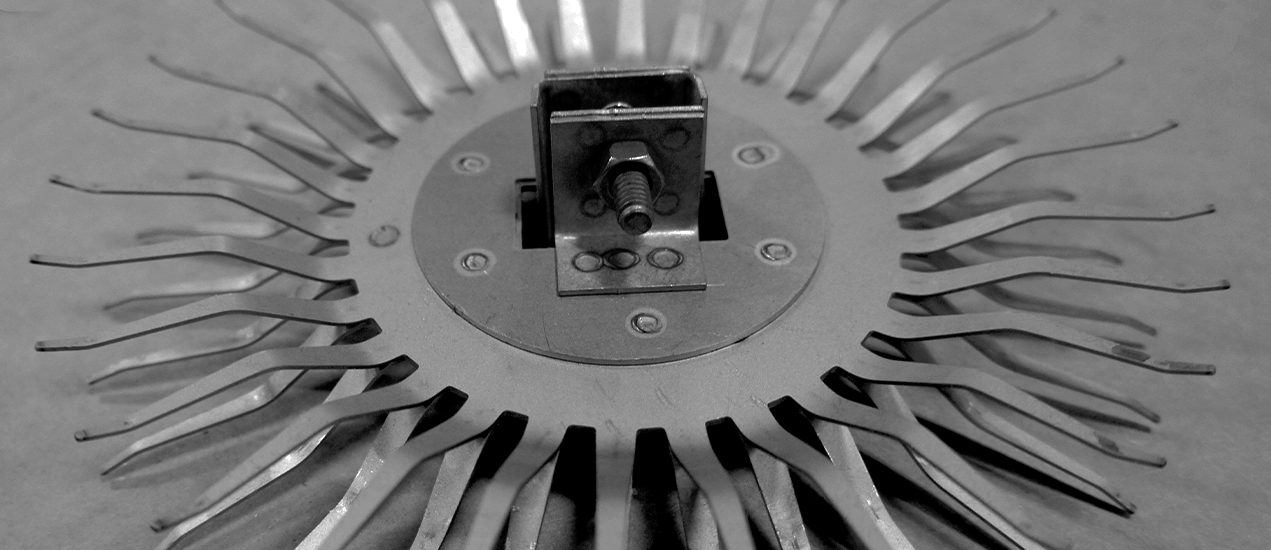
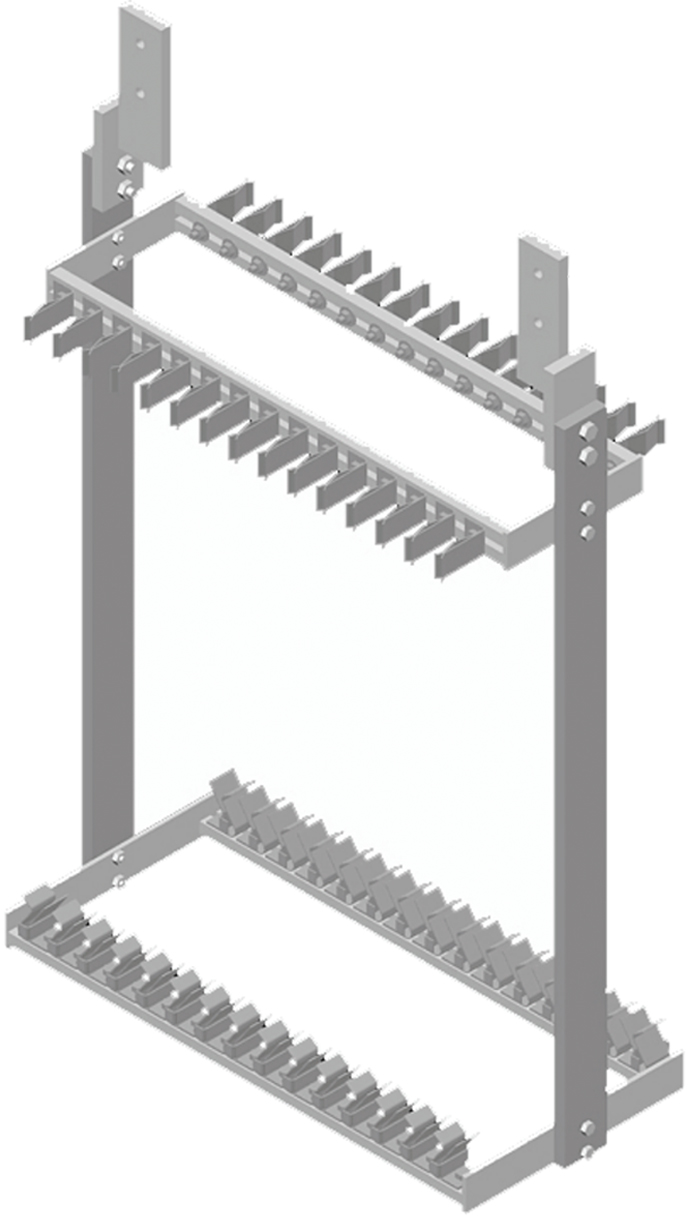
Titan Metal Finishing box, disc, and utility racks are being widely used in the Anodizing industry, as they combine high versatility for the racking of many different parts with economy, productivity, and precision.
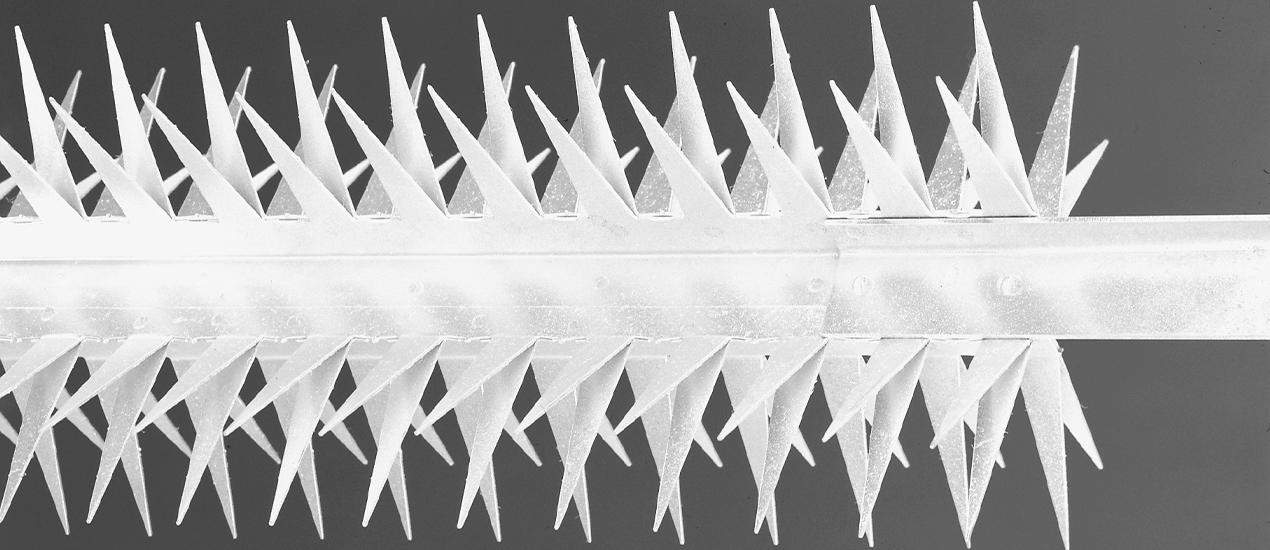
splines/ hooks
disc racks
collars
box racks
utility racks
Clips & Clamps
FASTENERS
Hi-Lode Racking System
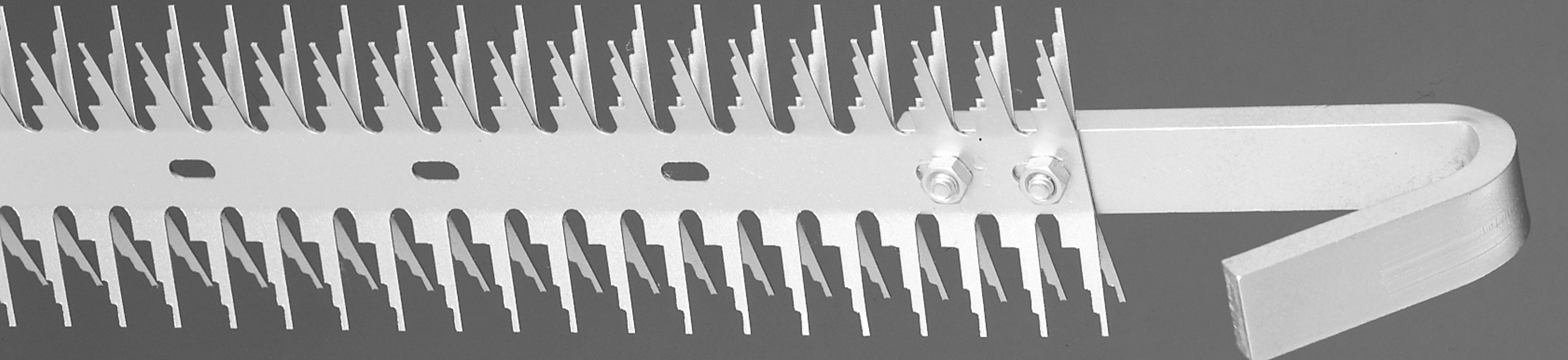
Titanium Racks For Anodizing, Electroplating, and Chemical Processing
Anodizing:
Titanium racks maintain stable, uniform current distribution in aggressive electrolytic solutions, which supports consistent anodized layer thickness and color from load to load. See how our racks fit into a full anodizing line setup.
Chemical Processing:
In etching, cleaning, and other harsh-chemistry processes, titanium racks resist degradation across repeated cycles, holding their integrity where other rack materials break down.
Electroplating:
Titanium’s conductivity and resistance to acidic and alkaline plating solutions keep current distribution even across the rack, producing consistent coating thickness on every part. Learn more about our electroplating equipment.
Titanium vs. Aluminum Racks: Choosing the Right Material
Not every finishing line needs titanium. Aluminum racks cost less upfront and strip easily in standard alkaline or nitric acid solutions, which makes them the practical choice for many anodizing operations. Titanium anodizing racks earn their higher upfront cost in processes where aggressive strip chemistry, high cycle counts, or elevated temperatures would degrade aluminum too quickly. If you’re weighing rack material against your process chemistry and strip cycle frequency, our aluminum racks page breaks down where each material makes sense.
Titan Metal Finishing: Your Titanium Racks Manufacturer and Supplier
As a titanium racks manufacturer, Titan Metal Finishing controls fabrication from raw titanium stock through finished rack assembly, so shops get consistent quality and predictable lead times instead of relying on a distributor with no visibility into the build process. As a titanium racks supplier, we stock common configurations for fast turnaround and build custom tooling for parts that don’t fit a standard rack.
Manufacturing, automotive, and electronics finishers depend on our titanium anodizing racks supplier relationship for tooling that meets tight tolerances and process-specific demands. Our racks support finishing lines in aerospace manufacturing, where corrosion resistance and dimensional consistency are non-negotiable, and in automotive finishing, where high part volumes demand racks that hold up under constant cycling.
Why Titanium Anodizing Racks Outperform Standard Tooling
- Corrosion Resistance:
Titanium withstands the acids, alkalis, and electrolytic solutions used in anodizing and plating without pitting or degrading, so racks keep working long after comparable steel or aluminum tooling has failed. Please see the corrosion resistance table here - Strength-to-Weight-Ratio:
Titanium anodizing racks carry heavy part loads without the bulk of steel racking, which keeps them easier to load, unload, and reposition on the line. Titanium racks can withstand heavy loads and maintain their structural integrity over extended periods, even under strenuous conditions. - Temperature Stability:
Titanium holds its strength and resists oxidation at the elevated temperatures common in electroplating and hard anodizing, so performance doesn’t drift as bath conditions change.
- Low Density:
The low density of titanium means that racks are lighter and easier to handle compared to those made from other metals. This property enhances operational efficiency, reducing the physical strain on workers and simplifying rack installation and removal.
- Non-Contaminating Contact:
Titanium is chemically stable in the bath, so it won’t introduce unwanted ions or react with the solution the way more reactive metals can, protecting finish quality and bath chemistry alike.
- Lower Cost Per Cycle:
Titanium racks cost more upfront than aluminum or steel, but the reduced strip frequency, lower scrap rate, and extended service life bring the cost per part down over the life of the tooling.
technical resources
You’ll find product information, reactive metals information, corrosion charts, calculators and much more in the TITAN Technical Resource Center.
Design, Maintenance, and Service Life
- Material: Confirm the titanium grade matches your bath chemistry and current density requirements before ordering.
- Insulation: Sections of the rack that shouldn’t carry current should be coated with insulating material to prevent stray current paths.
- Contact Point Design: Minimizing contact points between the rack and the part reduces the risk of blemishes or defects on the finished surface.
- Adjustability: Many racks are adjustable to accommodate different shapes and sizes of aluminum parts, ensuring a secure fit and even exposure to the finishing process.
- Durability: Racks must be durable to endure repeated use and exposure to harsh chemicals and high temperatures without degrading.
maintenance and care
- Cleaning: Regular cleaning is essential to remove residues from previous finishing processes, which can affect the quality of subsequent treatments.
- Routine Inspection: Check contact points regularly for wear, since a degraded contact point affects current distribution before it affects the rack’s structure.
- Prompt Repair: Address damaged racks quickly. A single compromised rack can introduce inconsistent finishes across an entire load.
For corrosion charts, surface area calculators, and additional reference material, visit the Titan Technical Resource Center.
CONTACT US
At RIGHTech Fabrications, your day-to-day needs only take days to deliver. From off-the-shelf to 100% custom, our capabilities and timely execution are unmatched. Our goal is to keep your production lines moving smoothly toward success.
Email: sales@rightechfabs.com
At RIGHTech Fabrications, your day-to-day needs only take days to deliver. From off-the-shelf to 100% custom, our capabilities and timely execution are unmatched. Our goal is to keep your production lines moving smoothly toward success.
Email: sales@rightechfabs.com