
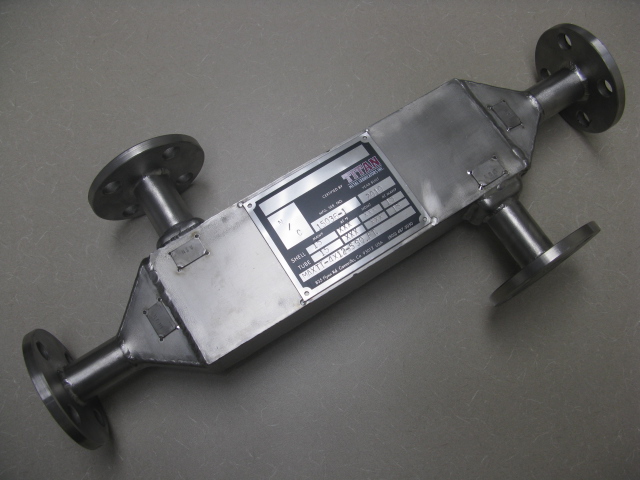

In metal finishing operations, maintaining precise bath temperature is critical to achieving consistent coating quality, stable chemistry, and efficient production. However, many systems struggle with declining heat transfer performance over time due to fouling, corrosion, or outdated heat exchanger design. When heat transfer efficiency drops, the effects are immediate and measurable across the process.
Common Heat Transfer Challenges in Finishing Systems
In plating and anodizing environments, heat exchangers are often exposed to aggressive chemistries and continuous operation. Over time, this can lead to performance limitations such as:
- Longer times to reach operating temperature
- Difficulty maintaining consistent bath conditions
- Increased energy consumption
- More frequent maintenance or equipment replacement
These issues don’t just impact temperature; they directly affect coating quality, throughput, and operating costs.
A Different Approach to Heat Exchange
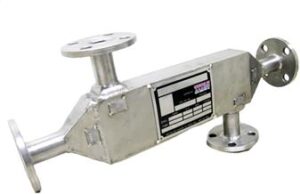
To address these challenges, TITAN’s Maximizer™ heat exchangers use a fully welded, parallel plate design combined with counter-flow circulation. This configuration improves heat transfer in several ways:
- Increased surface area for more efficient thermal exchange
- Counter-flow design for improved temperature differentials
- Compact footprint compared to traditional coil or shell-and-tube systems
The result is more efficient heat transfer with tighter control over process temperatures without requiring additional space in the line.
Depending on system requirements, Maximizer™ units can handle capacities ranging from 25,000 to 500,000 BTU/hr, making them suitable for both small tanks and large-scale production environments.
Material Selection for Aggressive Chemistries
In metal finishing, heat exchanger performance is closely tied to material durability. Standard designs often degrade in corrosive environments, leading to unplanned downtime and reduced service life.
Maximizer™ exchangers are constructed from materials selected specifically for chemical resistance:
- 316 Stainless Steel for general corrosion resistance
- Alloy C-276 for highly aggressive environments
- Titanium for superior performance in demanding plating chemistry
Proper material selection helps ensure long-term reliability while maintaining consistent heat transfer performance.
Where High-Efficiency Heat Exchangers Make the Most Impact
Upgrading heat transfer equipment can be especially beneficial in applications where:
- Temperature stability directly affects coating quality
- Aggressive chemistry shortens equipment lifespan
- Floor space is limited and compact equipment is required
- Maintenance downtime impacts throughput and scheduling
In these environments, improved heat exchanger design contributes to both operational stability and long-term cost reduction.
Process Benefits of Improved Heat Transfer
Optimizing heat transfer is not just about reaching temperature faster, it affects the entire finishing process.
Facilities that improve heat exchanger efficiency often see:
- Faster recovery to setpoint temperatures
- More consistent plating and coating conditions
- Reduced energy usage
- Less interruption from maintenance or equipment failure
Over time, these improvements can significantly increase process reliability and overall productivity.
Supporting More Stable, Efficient Operations
Heat transfer is a foundational part of metal finishing performance. When it is consistent and efficient, it supports better control across the entire process, from bath chemistry to final coating quality.
TITAN’s Maximizer™ heat exchangers are designed to address the real-world challenges of finishing environments, combining durability, efficiency, and compact design to help operations maintain stable performance over time.
Get Started
If you’re looking to improve heat transfer performance in your finishing operation, request a quote or connect with a TITAN specialist to discuss the right solution for your system.